
WPC Door for home interior and bathroom – Today we will discuss about Bathroom Doors made of WPC etc. (Wood-Plastic Composite) doors are fast emerging as one of the best choices for modern home interiors, especially for bathrooms, due to their unique blend of durability, aesthetics, and practical advantages.
If you’re considering renovating your home or upgrading your bathroom, here’s a comprehensive, 1200-word guide that covers every aspect of WPC doors, their features, benefits, design trends, installation tips, and maintenance advice for home interiors and bathrooms.
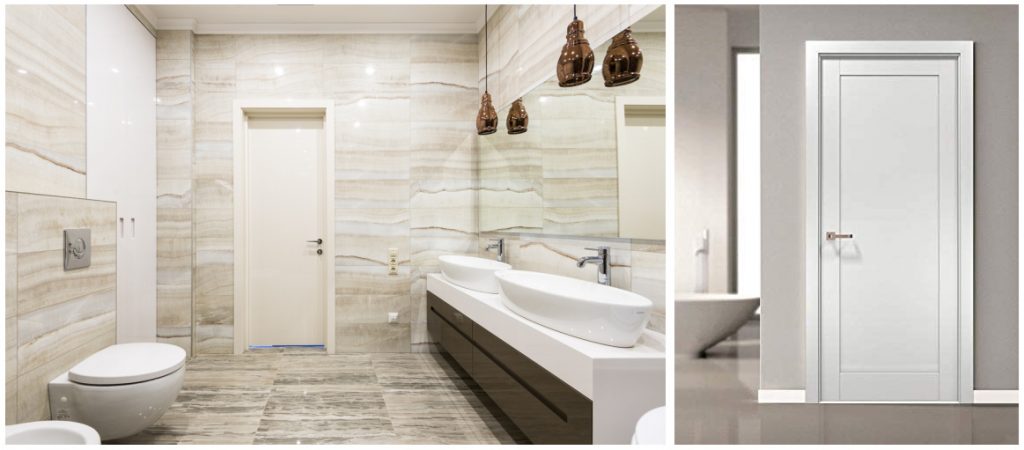
What is a WPC Door?
WPC doors are made from a mixture of wood fibre and high-quality thermoplastics such as polyvinyl chloride. This composition brings together the strength and appearance of natural wood with the resilience and versatility of plastics.
Unlike traditional wooden doors that can warp, swell, or rot in humid areas, WPC doors are designed to withstand moisture, making them ideal for bathrooms and other damp environments.
Key Advantages of WPC Doors
Waterproof and Moisture-Resistant: One of the standout features of WPC doors is their complete resistance to water. This makes them perfect for bathrooms, kitchens, and other high-humidity spaces where ordinary wooden doors fail to perform.
Termite and Pest Protection: WPC doors are naturally resistant to termites, borers, and other pests. The absence of organic content ensures that pesky insects don’t damage or eat away your door, ensuring a longer lifespan.
Durable and Long-Lasting: The sturdy structure, dense core, and advanced manufacturing make WPVC doors highly durable. They do not crack, warp, or splinter, and offer years of trouble-free use.
Low Maintenance: WPVC doors do not require frequent painting, varnishing, or polishing like wooden doors. Cleaning is simple and hassle-free, requiring just a damp cloth.
Aesthetic Appeal: Available in a wide variety of designs, colors, and finishes, WPC doors can easily match any home decor, whether you prefer a wood-grain finish or a solid color.
Fire Resistance: Many WPC doors feature enhanced fire-retardant properties for added safety, especially in residential spaces.
Eco-Friendly: Made using recyclable materials and engineered to release no toxic fumes, WPC doors are an environmentally responsible choice.
Sound and Thermal Insulation: WPVC doors offer good sound dampening and help maintain comfortable indoor temperatures due to their insulating properties.
Why WPC Doors are Perfect for Bathrooms
Bathrooms are consistently exposed to high humidity, water splashes, and fluctuating temperatures. For these reasons, traditional doors made of wood or plywood can deteriorate quickly. WPVC doors solve these problems effectively:
- No Swelling or Warping: Unlike wood, which expands or bends when exposed to water, WPVC doors remain stable and smooth.
- No Rot or Fungus: The non-porous surface means there is no place for mold or mildew to grow, keeping your bathroom hygienic.
- Resistant to Soap and Stains: WPVC doors are easy to wipe clean and do not absorb stains or soap marks that are common in bathrooms.
Design Trends in WPC Doors
WPVC doors offer impressive customization options for interiors:
- Wood-Grain Finishes: For those who love the organic look of real wood but want better performance, WPVC doors are available in beautiful wood-grain textures that closely mimic premium timbers.
- Solid Colors and Patterns: You can opt for bold, modern colors or even UV-printed designs that add character to your bathroom or living space.
- Glossy and Matte Finishes: Whether you prefer a high-gloss, contemporary look or a subtle, matte appearance, WPVC doors offer both.
- Simple or Ornate Designs: Choose minimalist models for a sleek, modern vibe or detailed ornamental patterns for a classic touch.

How to Select the Right WPC Door for Home and Bathroom
While shopping for WPVC doors, keep these factors in mind:
- Thickness and Density: Higher thickness and density usually mean better durability and insulation properties.
- Frame Compatibility: For complete water and termite resistance, pair your WPVC door with a WPVC or synthetic frame, especially in bathrooms.
- Color and Finish: Pick a finish that complements the rest of your home or bathroom décor. For heavy-use areas like bathrooms, avoid white as it can show water stains and marks more quickly.
- Hardware Compatibility: Ensure that the screws and hinges you select are compatible with WPVC material to avoid any installation issues.
Common Myths About WPC Doors
Myth: WPC doors lack strength.
Fact: Modern WPC doors are reinforced for structural integrity, making them suitable even for main entrances and high-traffic areas.
Myth: Limited design options.
Fact: WPC doors come in a wide range of textures, colors, and finishes, rivaling those of wood, laminate, or metal doors.
Myth: WPC doors are only for bathrooms.
Fact: While ideal for wet areas, these doors are now used in bedrooms, kitchens, and even commercial spaces due to their durability and style.
Conclusion
WPVC doors combine strength, water resistance, low maintenance, and modern design, making them the best choice for home interiors and especially for bathrooms where humidity and durability are major considerations. Whether you’re aiming for a luxurious bathroom or a sleek, contemporary look throughout your home, WPVC doors check every box for performance, sustainability, and beauty. Choose wisely, invest in quality, and you’ll enjoy years of hassle-free living with doors that stand the test of time.
Wood Industry is Looking for your Social Support
